
When your ankles feel unstable, every step feels uncertain
Running, training, and fast-paced sports all rely on quick movements, sudden direction changes, and consistent impact. When your ankles don’t feel fully stable, even simple movements can start to feel unpredictable.
It might begin as a slight wobble on uneven ground or discomfort after longer sessions. Over time, that lack of stability can affect your confidence, your performance, and how consistently you stay active.
The right ankle support for running and sports isn’t about restriction. It’s about adding a layer of control and comfort so you can move more freely and with greater confidence.
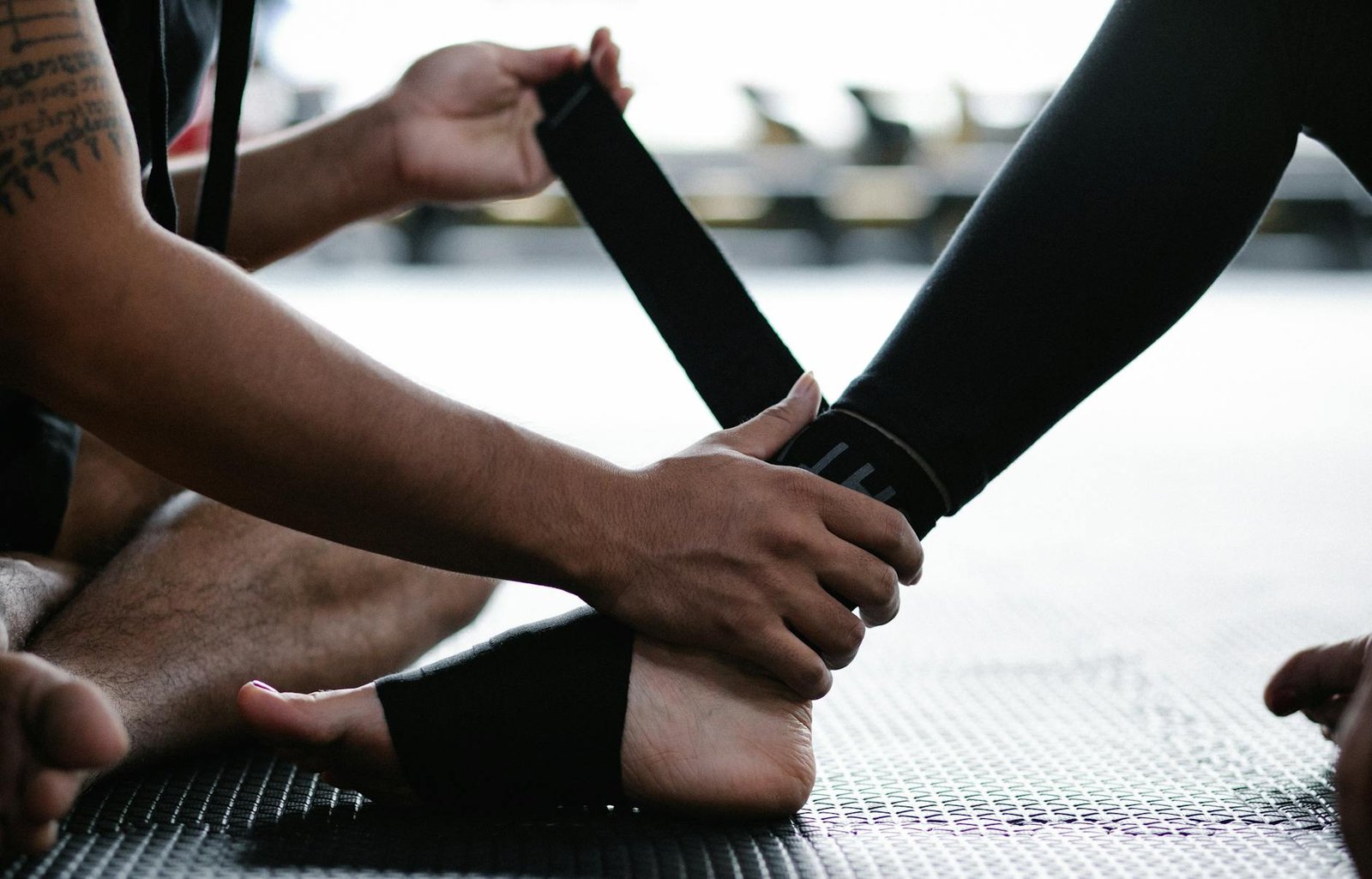
Quick Answer: What’s the Best Ankle Support for Running and Sports?
The best ankle support is a lightweight, flexible brace or sleeve that provides stability without limiting movement.
Best option for most people:
- A compression ankle sleeve for everyday support and flexibility
- An ankle brace with straps for added stability during sports and intense activity
Who should use it:
- Runners and athletes experiencing mild instability
- People returning to training after a break
- Anyone active on uneven surfaces or high-impact environments
When it helps most:
- During running, training, or sports
- On courts, trails, or uneven terrain
- When you want extra confidence in movement
Types of Ankle Support for Running and Sports
Different activities require different levels of support. Understanding your options helps you choose what fits your routine.
Compression Ankle Sleeves
What they do:
Provide light, even compression to support movement and improve overall comfort.
When to use:
- Daily running
- Light to moderate training
- Preventive support
Pros:
- Lightweight and breathable
- Allows full range of motion
- Easy to wear inside shoes
Limitations:
- Minimal structural support
- May not feel secure enough for high-intensity sports
Ankle Braces with Straps
What they do:
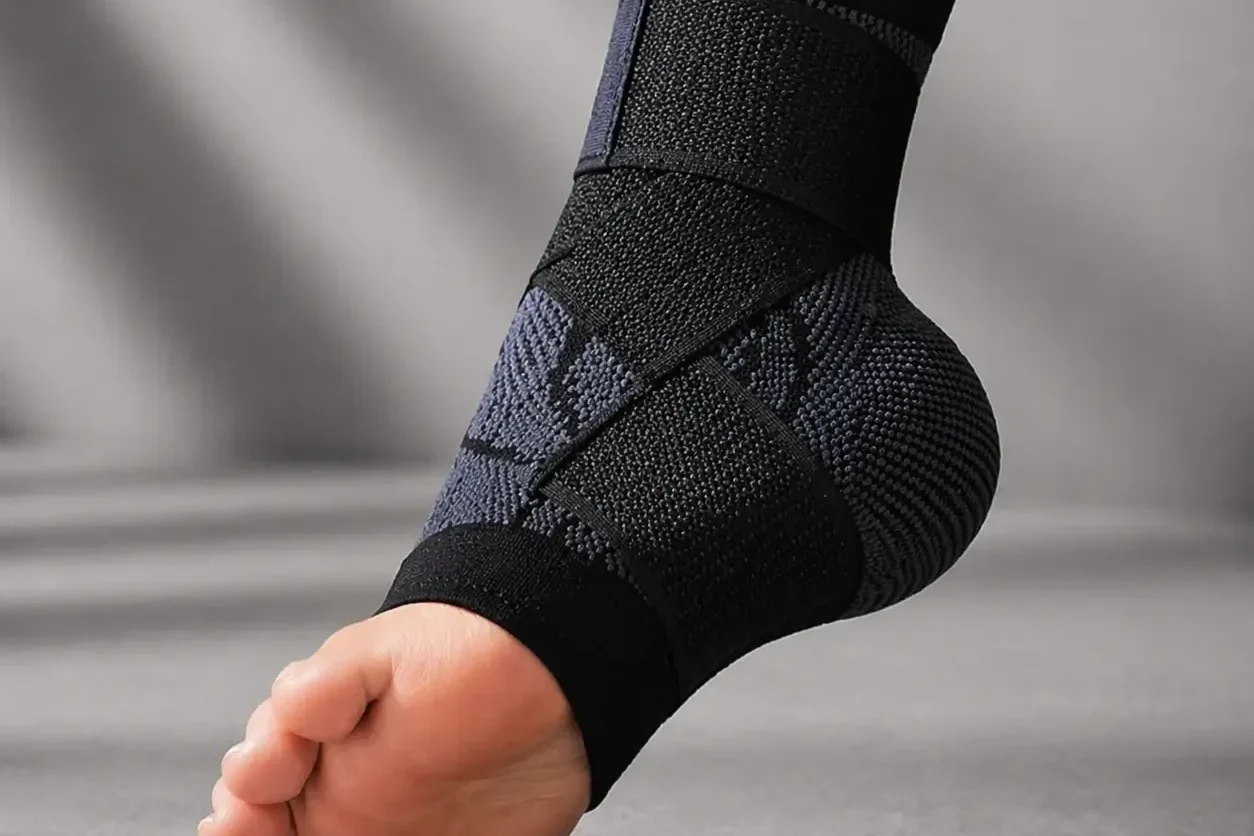
Offer adjustable support by stabilizing the ankle with straps or wrap-around designs.
When to use:
- Sports involving quick direction changes (basketball, tennis, football)
- Intense training sessions
- When additional stability is needed
Pros:
- Adjustable compression and support
- More secure feel during movement
- Helps maintain controlled motion
Limitations:
- Slightly bulkier than sleeves
- Requires proper fitting for comfort
Semi-Rigid or Reinforced Supports (Light Mention)
What they do:
Provide structured support with added reinforcement.
When to use:
- Not typically ideal for continuous running
- More suited for controlled or limited movement activities
Pros:
- High level of stability
Limitations:
- Can restrict natural movement
- Less comfortable for long-duration activity
How to Choose the Right Ankle Support
The right ankle support depends on how you move and what your routine looks like.
Fit and Compatibility
Your support should:
- fit securely without slipping
- feel comfortable inside your shoe
- not create pressure points
A good fit makes a noticeable difference during longer sessions.
Level of Support
Ask yourself:
- Do you need light support for comfort?
- Or more structured stability for sports performance?
Compression sleeves work well for everyday use, while strap-based braces provide more control during intense activity.
Material and Breathability
Since your feet generate heat quickly, look for:
- breathable fabrics
- moisture-wicking materials
- flexible construction
Comfort over time is key, especially during longer runs or matches.
Activity Type
Your sport matters:
- Running and general fitness → lightweight and flexible support
- Court sports or high-impact training → more structured, adjustable support
A Practical Option for Active Lifestyles
For running and sports, a lightweight ankle brace with adjustable compression offers a strong balance between flexibility and stability.
It allows you to:
- move naturally without restriction
- adjust support based on your activity
- feel more secure during fast movements and direction changes
A well-designed ankle support should feel like part of your movement—not something you constantly notice or adjust.
Tips for Using Ankle Support Effectively
Using ankle support correctly helps you get the most out of it.
When to wear it
- During running or sports sessions
- On uneven or unpredictable surfaces
- When increasing intensity or duration
How tight should it be?
- Secure, but not restrictive
- Should not cut off circulation
- Should stay in place during movement
Combine with good habits
Ankle support works best alongside:
- proper warm-ups
- controlled progression in training
- awareness of movement and technique
It’s a support tool, not a replacement for good training habits.
FAQ: Ankle Support for Running and Sports
Can I wear ankle support while running every day?
Yes, many runners use ankle support regularly, especially during longer or more demanding sessions. Comfort and proper fit are key for daily use.
Is a compression sleeve enough for sports?
For light activity, a compression sleeve may be enough. For more dynamic sports, a brace with adjustable support often provides better stability.
Should beginners use ankle support?
Beginners can benefit from added support, especially when adapting to new movements or increasing activity levels.
How tight should ankle support be?
It should feel secure but comfortable. You should be able to move naturally without discomfort or restriction.
Can ankle support improve stability during sports?
Yes, the right support can provide a more stable feel, particularly during quick movements or on uneven surfaces.
Final Thoughts
The best ankle support for running and sports is about finding the right balance between freedom of movement and reliable stability.
For most people, a lightweight, adjustable ankle support offers enough structure to feel secure without limiting performance. It becomes a subtle but valuable part of your routine, helping you stay active and confident.
With the right support in place, every step feels more controlled—and every session becomes easier to maintain.