
Running discomfort doesn’t have to define your routine
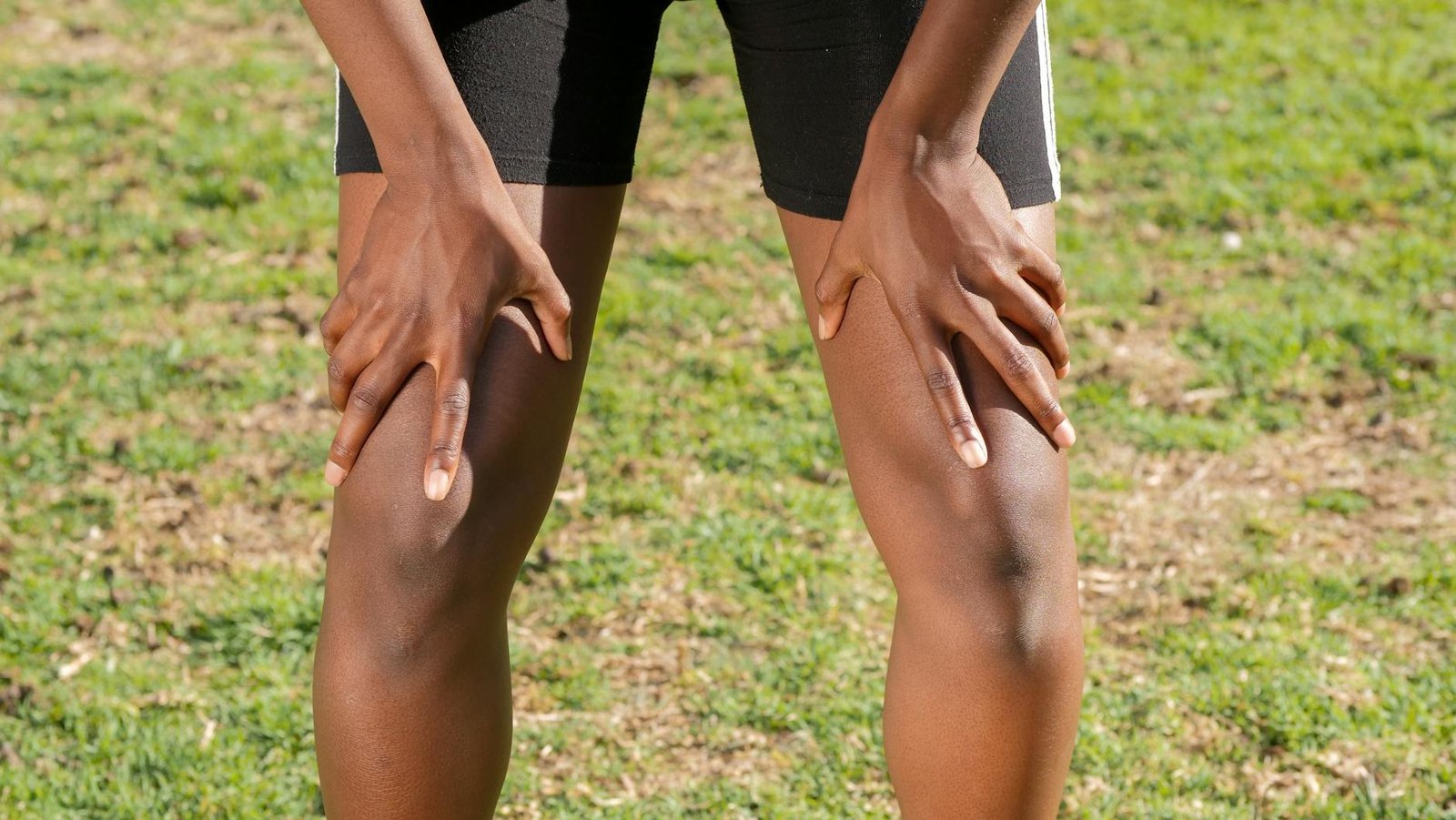
Knee discomfort is one of the most common reasons runners slow down, shorten their distance, or skip sessions altogether. Whether it shows up as a dull ache after a few kilometers or a feeling of instability during quick direction changes, it can make even a light run feel unpredictable.
For many runners, the issue isn’t about stopping altogether. It’s about finding ways to stay consistent, comfortable, and confident on the move. That’s where the right knee support for running can make a noticeable difference in how your runs feel day to day.
Quick Answer: What’s the Best Knee Brace for Running?
The best knee brace for running is typically a lightweight, flexible support that offers compression and stability without restricting movement.
Best option for most runners:
- A compression knee sleeve for light support and everyday comfort
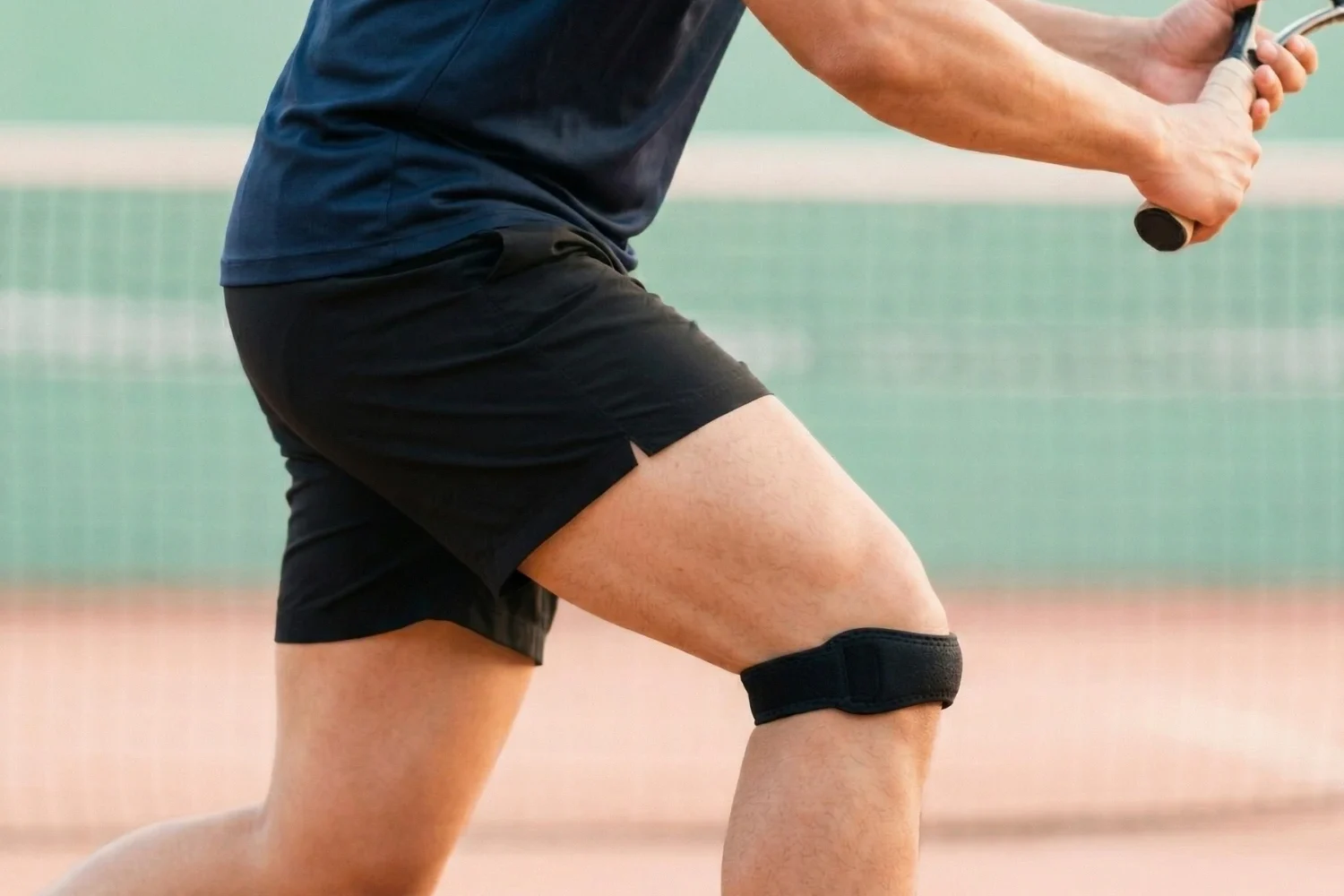
- A knee brace with adjustable straps for added stability during longer or more intense runs
Who should use it:
- Runners experiencing mild discomfort or instability
- Those returning to running after a break
- Anyone increasing distance or training intensity
When it helps most:
- During long runs or high-impact sessions
- On uneven terrain
- When you want extra confidence in knee stability
Types of Knee Support for Running
Choosing the right knee support starts with understanding the differences between the main types available.
Compression Sleeves
What they do:
Provide gentle, even pressure around the knee to support movement and improve comfort.
When to use:
- Light runs
- Daily training
- Preventive support during longer sessions
Pros:
- Lightweight and breathable
- Easy to wear under clothing
- Allows full range of motion
Limitations:
- Limited structural support
- May not feel secure enough for high-intensity training
Knee Braces with Straps
What they do:
Offer targeted support with adjustable compression around specific areas of the knee.
When to use:
- Moderate to intense running
- When you want more stability
- For longer distances or uneven surfaces
Pros:
- Adjustable fit
- Better sense of support and control
- Helps maintain consistent movement
Limitations:
- Slightly bulkier than sleeves
- Requires proper adjustment for comfort
Hinged Knee Supports (Light Mention)
What they do:
Provide structured support with reinforced sides.
When to use:
- Typically not designed for regular running
- More suited for controlled movement activities
Pros:
- High level of stability
Limitations:
- Restrictive for running
- Less comfortable for continuous movement
How to Choose the Right Knee Brace for Running
Not all knee supports feel the same during a run. The right choice depends on how and where you run.
Fit and Sizing
A proper fit is essential.
- Too tight → restricts movement
- Too loose → reduces effectiveness
Look for a secure fit that stays in place without needing constant adjustment.
Level of Support
Ask yourself:
- Do you need light support for comfort?
- Or more structured stability for longer runs?
Compression sleeves work well for everyday use, while strap-based braces offer more support when needed.
Material and Breathability
Running generates heat, so your knee support should:
- allow airflow
- wick moisture
- feel comfortable over long distances
Lightweight, flexible fabrics are ideal for consistent use.
Activity Type
Your training style matters:
- Casual runners → lightweight compression is usually enough
- Frequent or long-distance runners → benefit from adjustable support
A Practical Option for Everyday Running Support
For everyday running and general support, a lightweight knee brace with adjustable compression can provide a balanced combination of stability and comfort.
It allows you to:
- maintain natural movement
- adjust support depending on your activity
- feel more confident during longer or more demanding runs
A well-designed support should feel secure without being restrictive, making it easier to stay focused on your run rather than your knees.
👉
Tips for Running with Knee Support
Using knee support effectively can make a noticeable difference in comfort and performance.
When to wear it
- During longer runs
- On high-impact training days
- When running on uneven terrain
How tight should it be?
- Snug, but not restrictive
- Should stay in place without sliding
- You should be able to move naturally
Combine with good habits
Knee support works best alongside:
- proper warm-ups
- gradual training progression
- consistent running technique
Think of it as part of your overall routine, not a standalone solution.
FAQ: Knee Support for Running
Can I wear a knee brace while running every day?
Yes, many runners use knee support regularly, especially during longer or more demanding sessions. The key is choosing a comfortable, breathable option that doesn’t restrict movement.
Is a knee sleeve enough for running?
For light support and everyday runs, a knee sleeve is often sufficient. If you’re looking for more stability, a brace with adjustable compression may be a better fit.
Should beginners use knee support?
Beginners can benefit from knee support, especially when increasing distance or adapting to a new routine. It can help improve comfort and confidence during early training stages.
How tight should a knee brace be?
It should feel secure but not restrictive. You shouldn’t experience discomfort, numbness, or reduced movement while wearing it.
Can knee support improve stability while running?
Yes, the right knee support can provide a more stable feel during movement, particularly on uneven surfaces or during longer runs.
Final Thoughts
The best knee brace for running isn’t about maximum support. It’s about the right balance between comfort, flexibility, and stability.
For most runners, a lightweight, adjustable knee support offers enough structure to feel secure while still allowing natural movement. Combined with consistent training and good running habits, it can help you stay active and confident on every run.
Choosing the right support is a small step that can make your running routine feel smoother, more comfortable, and easier to maintain over time.